
Meals to Mobility: Moving Beyond Hunger Toward Community Freedom
Meals to Mobility: Moving Beyond Hunger Toward Community Freedom
For years, we measured our success by how fast we could move food. We got good at it—more trucks, more pallets, more pounds. But velocity alone didn’t shorten the line. At Inter-Faith Food Shuttle (IFFS), we’re pursuing something bolder: Meals to Mobility—a simple arc that keeps people fed today and free tomorrow.
Access → Investment → Mobility → Policy. – That’s the operating system we’re using to evolve the work of social services—so communities aren’t just surviving the moment, they’re shaping their future.
Access (Today) – Dignified food access now—choice, freshness, predictability, and equity of reach. We ask: Are neighbors getting what they need, where and when they need it? We track: unique households served, time-to-table, % fresh/culturally relevant, access equity by ZIP.
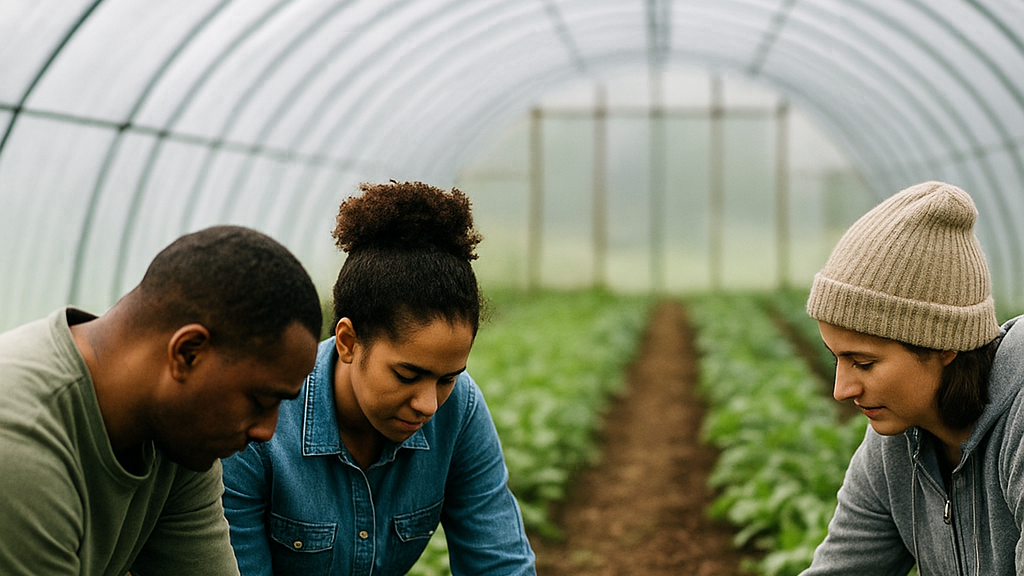
Investment (Fuel) – Shift dollars from only buying calories to building capacity: culinary apprenticeships, neighbor stipends for co-design, high tunnels and micro-farms, cold chain and production kitchens. A simple metric: $ to capacity vs. calories (ratio). It tells us how much we’re funding tomorrow’s freedom while feeding today’s need.
Mobility (Outcomes) – Capacity turns into movement—jobs, wage gains, health, and leadership. We celebrate apprentices who land good jobs, gardens that become micro-farms, and local sourcing that keeps dollars in the neighborhood. We track: job placements & wage growth, certifications earned, acres under cultivation, % local sourcing, neighbors in decision roles.
Policy (Durability) – Lasting change happens when the rules are written together. Stipend Neighbor Advisory Circles, clear decision rights, and partner MOUs help ensure that what communities build endures. We track: policy/practice changes, benefits unlocked, co-signed agreements with shared authority.
Proof in Practice
In Conetoe, we didn’t bring a program; we brought a question: What are you already building that we can stand behind? Raised beds became a micro-farm; a micro-farm became a classroom; a classroom became income; income led to ownership—and partners changed procurement and land use. The line didn’t just move—it got shorter.
At our Growing Stronger Communities conference, we watched this spirit scale into a national agriculture community within our network—food banks, farmers, health systems, and neighbor leaders sharing playbooks and decision rights.
If you’re a peer food bank, funder, or community partner, let’s pilot a 90-day dual dashboard together—Access (today) and Mobility (tomorrow)—and test the capacity vs. calories ratio. We’ll share what works.
My goal isn’t to move more food; it’s to move people, and then help change the rules so fewer people need our line at all. That’s Meals to Mobility—and it’s how we’ll leave no one behind.
L. Ron Pringle